Particle System Design Fundamentals
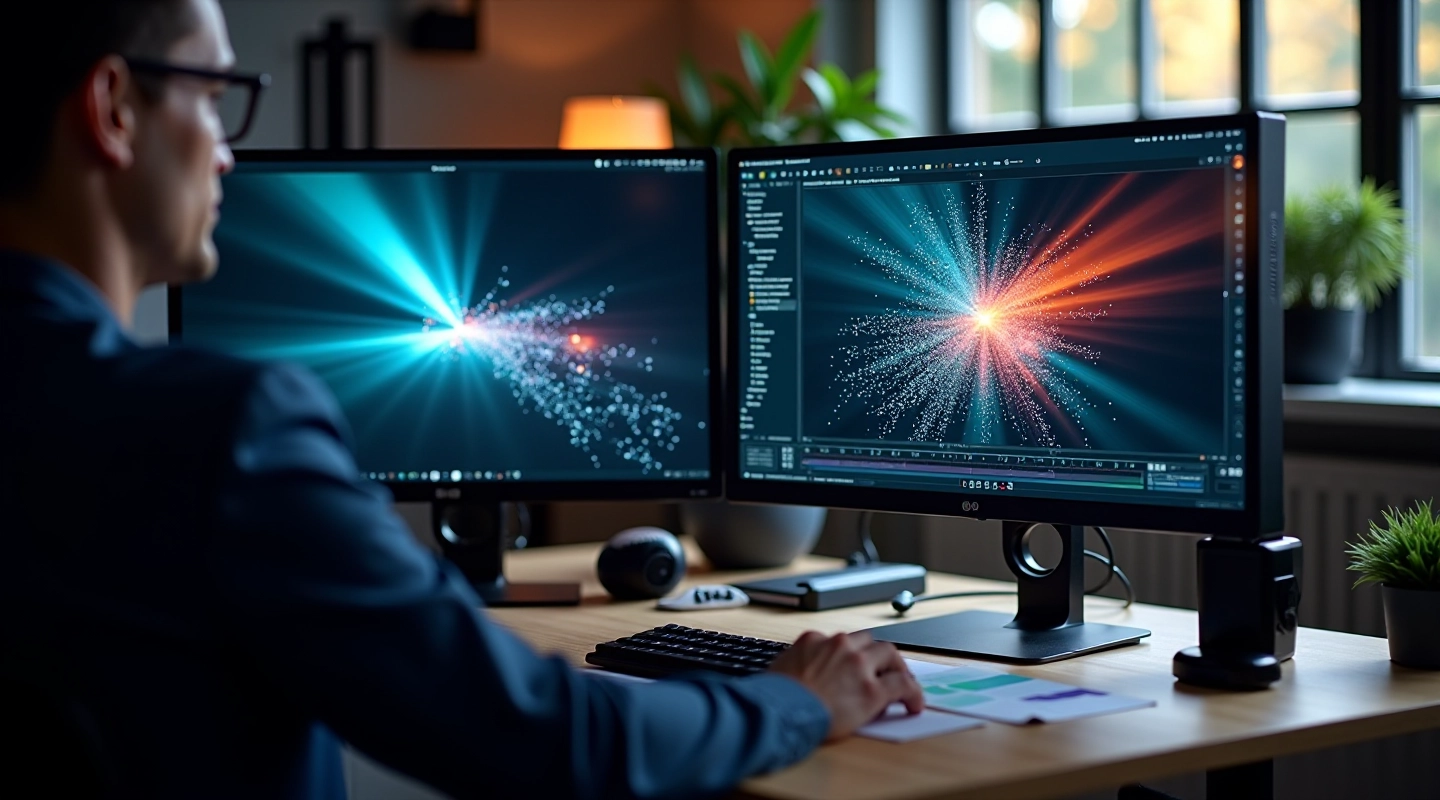
Learn how to build realistic particle effects from scratch. Covers emitter setup, physics properties, and rendering optimization for motion projects.
Essential training resources on particle systems, camera tracking, compositing workflows, and color grading for motion projects in Cork
Practical guides covering the fundamentals and advanced techniques in visual effects
Learn how to build realistic particle effects from scratch. Covers emitter setup, physics properties, and rendering optimization for motion projects.
Step-by-step approach to integrating 3D camera tracking data into your compositing pipeline. Covers marker placement and troubleshooting common issues.
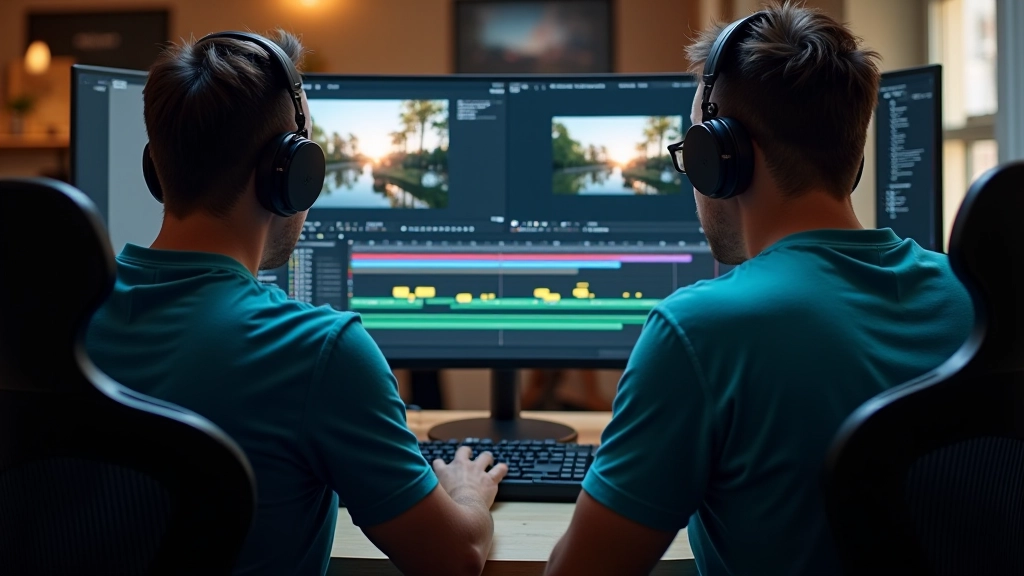
Master the organization and management of complex compositing projects. Includes layer naming conventions, grouping strategies, and best practices for team collaboration.
Discover color grading techniques that work specifically for motion graphics and video. Learn about color spaces, lookup tables, and achieving consistency across sequences.
Key principles and techniques you’ll encounter in visual effects work
Particle systems simulate natural phenomena like smoke, fire, and rain. They’re built on physics calculations that respond to forces like gravity and wind, giving motion projects realistic organic movement.
Camera tracking analyzes video footage to extract the camera’s position and rotation in 3D space. This allows 3D elements to integrate seamlessly into live-action footage, matching perspective and movement perfectly.
Structured compositing layers keep complex projects manageable. Clear naming, logical grouping, and consistent ordering make it easier to adjust effects, collaborate with teammates, and maintain work over time.
Professional color grading uses industry-standard tools and workflows. Understanding color spaces, LUTs, and scopes ensures your motion graphics maintain visual consistency and broadcast-quality standards.